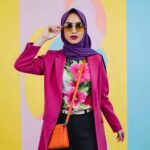
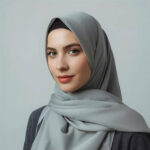
The hijab is a significant garment in the lives of many Muslim women, but what is a hijab really? It is more than just a headscarf; it is a symbol of modesty, faith, and identity. The Hoor Hijab n Abayas reflects a woman’s spiritual connection to her faith and a commitment to living according to Islamic principles.
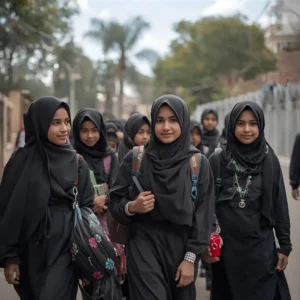
So, hijab in the context of Islamic tradition. It refers to the practice of covering the hair, neck, and sometimes the chest, while leaving the face visible. By doing so, women uphold their modesty in public spaces, safeguarding themselves from unwanted attention.
What Is a Hijab in the Broader Cultural Context?
When we ask, what is a hijab, it’s essential to understand that it is not just a piece of clothing, but a powerful cultural and spiritual statement. In many Muslim communities worldwide, wearing the hijab is a choice to embody one’s faith and express one’s identity.
The hijab represents more than just covering physical appearance— it is a manifestation of modesty and inner strength. What is hijab culturally? It’s a garment that connects women to their religious obligations while offering a protective boundary from external judgment based on their looks.
Purpose of the Hijab: Why Do Women Wear It?
The hijab serves several purposes for Muslim women, both spiritually and socially. The question what is a hijab often leads us to explore the reasons behind its practice.

1. Spiritual Significance
For many women, wearing the hijab is a form of obedience to Allah (God). Allah instructs both men and women to maintain modesty in their actions and appearance, and the hijab is seen as a way of following these divine guidelines.
According to the Quran in Surah An-Nur (24:31), Allah commands women to cover their adornments and to draw their veils over their chests, which is interpreted as an instruction for modest dress. This is why hijab also encompasses obedience to God’s will.
2. Promoting Modesty
The hijab promotes modesty by ensuring that women are not valued solely based on their physical attributes. What is hijab as a tool for modesty?
It helps create an environment where people are respected for their character, intelligence, and capabilities, rather than their looks. Modesty in Islam is not limited to clothing, but wearing the hijab is a visible manifestation of this important virtue.
3. Empowerment
For many women, the hijab is a form of personal empowerment. By choosing to wear the hijab, they make a conscious decision to express their faith and values, allowing them to take control of their identity.
What is a hijab in terms of personal agency? It is an opportunity for women to challenge societal beauty standards and focus on what truly matters—faith, intelligence, and character.
What Are the Rules of Wearing the Hijab?
While the exact style and appearance of the hijab may vary across cultures, the rules that govern its practice remain consistent in the context of Islamic teachings. Hijab in terms of its rules.
- Covering the Hair and Neck: The primary purpose of the hijab is to cover the hair and neck, as these are considered parts of the body that should be kept private.
- Loose-Fitting Clothes: The clothing worn with the hijab should be loose-fitting so that it does not reveal the shape of the body.
- Modesty in Behavior: Wearing the hijab is not limited to the physical act of covering; it is also about modest behavior, speech, and interactions with others.
- Avoidance of Excessive Adornment: The hijab should not be used as an opportunity to flaunt excessive jewelry or makeup. Simplicity and modesty are key.
Common Questions About the Hijab
What Happens If a Woman Does Not Wear the Hijab?
In Islam, not wearing the hijab is considered a sin as it goes against the commands of Allah. However, Islam also emphasizes the importance of personal choice.
While wearing the hijab is a religious duty, the decision to wear or not wear it is ultimately a matter of personal faith and spiritual journey. Therefore, the question what is a hijab is deeply tied to an individual’s understanding of their own faith.
When Can a Woman Take Off Her Hijab?
The hijab is typically worn in the presence of non-mahram (unrelated) men, and it’s generally expected that women keep it on until they are in private spaces or with family members.
Some scholars believe that older women or those who are not physically capable of wearing the hijab may be exempt from wearing it, but this is a matter of interpretation and personal choice.
It remains a practice that symbolizes modesty for as long as the individual feels it is part of their spiritual journey.
Can an Old Woman Take Off Her Hijab?
The decision to stop wearing the hijab is deeply personal. As women age, some scholars allow flexibility regarding the obligation to wear it, especially if it is no longer practical or physically comfortable.
However, many older women continue to wear the hijab as a sign of their ongoing commitment to modesty and faith. So, what is hijab for an older woman? It remains a choice that reflects personal conviction and religious dedication.
Hijab vs. Burka: Understanding the Difference
While both the hijab and the burka serve to cover the body, they differ significantly in terms of coverage and cultural practice. Many people often confuse the two, so it’s important to clarify:
Feature | Hijab | Burka |
|---|---|---|
| Coverage | Covers the hair, neck, and chest | Covers the entire body, including the face |
| Style | Worn as a scarf or shawl | Full-body covering with a mesh screen for eyes |
| Cultural Context | Worn in many Muslim countries | Mostly worn in Afghanistan |
| Purpose | Modesty and privacy | Complete concealment |
Can You Wear a Hijab with Jeans?
Yes, wearing a hijab with jeans is not only acceptable but also quite popular.
It is about pairing modest dress with contemporary styles. As long as the jeans are loose-fitting and the entire outfit adheres to the principles of modesty, it is perfectly fine to wear the hijab with modern clothing like jeans.
Conclusion: The Spiritual and Cultural Significance of the Hijab
In conclusion, what is a hijab is not just a question about the physical garment but an exploration of its deeper spiritual and cultural significance. The hijab is a symbol of modesty, faith, and empowerment.
For millions of Muslim women around the world, it represents a conscious choice to live in accordance with Islamic teachings while expressing their identity. Hijab is a reflection of a woman’s inner commitment to her values, her faith, and her sense of modesty. It reminds us that beauty is not just physical but lies within one’s character, spirit, and actions.
FAQs about the Hijab
Is it safe to wear the hijab in the USA?
Yes, wearing the hijab is generally safe in the USA, although some women may face challenges due to misunderstandings or prejudice. It’s important to be aware of the cultural context in different areas.
At what age can you stop wearing the hijab?
There is no specific age to stop wearing the hijab. It is a personal decision, and many women choose to wear it throughout their lives.
Can a man see a woman without her hijab?
A man who is not a mahram (unrelated) should not see a woman without her hijab. The hijab serves as a barrier to maintain modesty in front of men who are not close family members.
What is the difference between a hijab and a burka?
The hijab covers the hair, neck, and chest, while the burka covers the entire body, including the face, with a mesh screen for the eyes.