For many Muslim women, the hijab is more than just a scarf—it is a statement of faith, modesty, and identity. Alongside the outer scarf, there are other pieces and layers that help it sit properly, keep hair in place, and fulfill coverage.
One such important piece is the Hijab Undercap. In this article on Hoor Hijab n Abayas, we will answer common questions about the Hijab Undercap, its purpose, and other related queries such as the parts of the hijab and when young girls should start wearing it.
What is the Hijab Undercap Called?
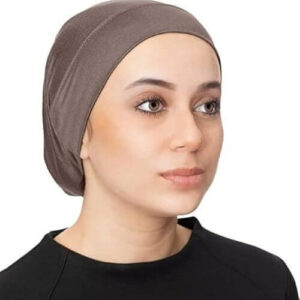
The Hijab Undercap, also known as an underscarf or inner cap, is a snug-fitting head covering worn beneath the outer hijab scarf.
It helps secure the hair and provides a smooth surface for the hijab scarf to sit comfortably. Various styles and names exist, such as tube bonnets, ninja caps, or hair caps, depending on the design.
The Hijab Undercap is essential for many women as it ensures the hijab remains in place, especially for slippery or thin fabrics.
What Do Hijabis Wear Underneath?
When a woman wears a hijab, several layers or pieces are often used to maintain neatness and coverage.
The Hijab Undercap is usually worn underneath to help secure the hair and provide structure to the outer scarf. Here’s what typically goes underneath the hijab:
- Hijab Undercap / Inner Cap: This is the most important piece worn directly on the head to keep the hair in place and prevent the scarf from slipping.
- Base Layer Clothing: In some cases, a simple long-sleeve shirt or T-shirt is worn underneath the outer garment to meet modesty requirements (loose and non-transparent).
- The Outer Hijab Scarf: This is the visible piece of fabric that covers the head, neck, and sometimes shoulders or chest, depending on the style.
- Neck Covering or Full Ninja Undercap: Some prefer a ninja-style Hijab Undercap that covers the neck and jawline for added modesty.
Thus, the Hijab Undercap is a vital component of the modest dressing system, working in conjunction with other pieces to ensure full coverage and comfort.
What Are the Parts of a Hijab?
The hijab system consists of various components that come together to fulfill the requirements of modesty. Here are the essential parts:
- Hair Preparation: The hair is usually tucked into a bun or securely styled to ensure it remains covered under the hijab.
- Hijab Undercap / Inner Cap: This is the snug piece worn beneath the scarf to secure the hair and create a smooth base for the outer scarf to rest on.
- Outer Hijab Scarf: The main covering, which is draped over the head to cover the hair, neck, and sometimes the chest or shoulders.
- Neck Cover (Optional): In some cases, women choose to wear a longer Hijab Undercap that covers the neck as well for additional modesty.
- Fixing/Pinning Elements: Pins or magnets are often used to secure the outer scarf in place and prevent it from shifting.
- Outer Garment: Often, an outer loose garment like an abaya, jilbab, or long dress is worn to complete the modest look. While this isn’t technically part of the hijab, it contributes to the overall modest dress.
Do You Have to Wear a Hijab Undercap with a Hijab?
The answer is no, it’s not mandatory to wear a Hijab Undercap for the hijab to fulfill its modesty requirement. However, it is highly recommended due to the following reasons:
Benefits of Wearing a Hijab Undercap:
- Prevents Slippage: The Hijab Undercap keeps the outer scarf in place, especially when the scarf fabric is slippery (such as chiffon or satin).
- Improved Comfort: It helps absorb sweat and keeps hair securely tucked, making it more comfortable to wear the hijab for extended periods.
- Smooth Base: It provides a smooth base for the hijab, ensuring that the scarf drapes neatly and evenly without bulges or unevenness.
While you can technically wear a hijab without an undercap, doing so may require more effort to keep the scarf in place, and the look may not be as neat or secure.
Can I Wear a Hijab Without a Hijab Undercap?
Yes, you can wear a hijab without an undercap, but there are some things to consider:
- Hair Management: Without a Hijab Undercap, you will need to ensure your hair is securely tied or tucked in to avoid any hair showing.
- Stability: The scarf may slip, especially if it’s made from a slippery fabric.
- Convenience: Wearing a Hijab Undercap makes it easier to keep the scarf in place and gives you a more polished look without frequent adjusting.
If your hijab fabric is textured (like cotton or jersey), you may not need an undercap, but for fabrics like satin, chiffon, or silk, an undercap is usually helpful to maintain stability and neatness.
Should a 12-Year-Old Wear a Hijab?
This is an important question many parents and communities consider. In general, Islamic scholars say that wearing the hijab becomes obligatory once a girl reaches puberty.
Puberty is marked by physical signs such as menstruation. However, before puberty, the hijab is not obligatory, though many families begin to introduce the practice earlier to help young girls feel comfortable and confident when the time comes.
What the Scholars Say:
- Puberty: Once a girl reaches puberty, the hijab becomes a religious obligation according to most scholars.
- Training Early: Some families start introducing the hijab to girls as early as 7 years old, not to enforce it as a duty, but to prepare them gradually.
- Comfort and Readiness: It’s important for young girls to be ready and comfortable with wearing the hijab. It shouldn’t be forced, but rather, encouraged with understanding and support.
Comparison Table: With Hijab Undercap vs Without Hijab Undercap
Here’s a side-by-side comparison of wearing a hijab with and without an undercap:
| Feature | With Hijab Undercap | Without Hijab Undercap |
|---|---|---|
| Stability of outer scarf | High – undercap provides stability | Low – scarf may slip |
| Hair containment | Good – keeps hair neatly in place | Risk of hair shifting |
| Comfort in hot weather | Slightly warmer due to more layers | Cooler with fewer layers |
| Speed/effort to wear | Requires more steps (cap + scarf) | Simpler – only scarf |
| Neatness of look | More polished, smooth look | May need frequent adjusting |
| Suitable for slippery fabrics | Yes – especially for smooth fabrics like chiffon | Difficult with slippery fabrics |
| Comfort for long wear | Comfortable, absorbs sweat | May become uncomfortable after a while |
Frequently Asked Questions (FAQs)
Q1: Can I wear a hijab without an undercap?
Yes, but it may be less secure, especially with slippery scarves. An undercap helps keep everything in place and adds comfort.
Q2: What fabric is best for a Hijab Undercap?
Cotton, ribbed jersey, or stretchy fabrics are ideal for Hijab Undercaps because they hold the scarf in place and are breathable.
Q3: Is it necessary to wear an undercap for the hijab to be considered modest?
No, the undercap is not mandatory from a religious perspective, but it is practical and helps maintain a neat, secure appearance.
Q4: What is a ninja Hijab Undercap?
A ninja Hijab Undercap is a type of undercap that extends to cover the neck and jawline, providing extra modesty.
Q5: How do I know when my daughter is ready for a hijab?
If she has reached puberty, wearing the hijab becomes obligatory. Before puberty, it is not mandatory, but training can begin gently.
Conclusion
To sum up, the Hijab Undercap plays a key role in making the hijab comfortable, secure, and neat. While it is not strictly required in Islamic law, it provides numerous practical benefits.
Whether you choose to wear one or not depends on your style preferences, the type of hijab fabric, and your comfort. For young girls, the hijab becomes obligatory once they reach puberty, but introducing it gradually can help them adapt smoothly.
The Hijab Undercap remains an essential accessory for many women, offering both modesty and comfort. If you’re unsure whether to wear one, consider the fabric type and your lifestyle, and remember that the most important thing is that you feel comfortable and confident in your hijab.