When people ask me why do Muslim women wear hijabs, I feel as if they’re asking me about something deeply personal—almost like asking why I hold certain memories close to my heart.
The hijab is more than cloth; it’s a quiet companion that shapes my identity every day. And because this topic is close to my own heart, I often share such reflections here on Hoor Hijab n Abayas, where I write about modesty, meaning, and the deeper reasons behind our choices.
For many of us, wearing the hijab isn’t about pressure or fear. It’s about meaning. It answers emotional, spiritual, and social questions all at once—like tying a soft ribbon around your confidence.
When I reflect on why do Muslim women wear hijabs, I think of modesty, identity, privacy, and closeness to Allah. And every woman’s relationship with the hijab is a story of its own—gentle, slow, sudden, or transformative.
The Purpose and Point of the Hijab
The purpose of hijab is not to hide us; it is to protect us. It’s like choosing curtains not to block light but to keep your peace safe inside your home. When people ask what the “point” of hijab is, I wish they could feel the inner calm it creates.
It keeps my dignity guarded, helps me control how much of my beauty the world sees, and builds a respectful boundary in public spaces.
It also answers many of the questions people ask—like why Islam tells women to cover their hair, why men can’t see a woman without hijab, and why hair is important in modesty. In our faith, hair is considered part of a woman’s natural beauty, so covering it is simply a way of maintaining privacy.
A Spiritual View: Why Allah Wants Us to Wear Hijab
When I think about Allah’s guidance, I don’t imagine force—I imagine care. The command of hijab feels like a gentle shield placed around women, like a soft umbrella in heavy rain. Allah asks us to cover so that we walk with dignity and stay protected from uncomfortable attention.
Hijab is part of modesty, and modesty is part of faith. It shapes how we speak, behave, and carry ourselves—not just how we dress.
Why a Woman May Suddenly Start Wearing Hijab
A woman may begin hijab at any moment that touches her heart. Sometimes it happens after a spiritual moment, sometimes after a life change, sometimes after reading one verse, or seeing one example. It’s not always dramatic—it can feel like a sunrise that happens quietly but brightens everything.
Reasons may include:
- wanting to be closer to Allah
- desiring modesty
- emotional growth
- trying to live with more discipline
- feeling inspired by someone
- wanting inner peace
Her decision is personal, like choosing a new chapter in her life.
Modesty Rules in Islam
Islamic guidelines for hijab are simple and meant to protect dignity. The well-known “8 rules of hijab” are about loose clothes, non-transparent fabric, modest behavior, not imitating men, avoiding showing off, and maintaining privacy. These rules are not chains; they feel more like gentle boundaries that help me live respectfully.
These rules also answer common questions—like when a woman can remove her hijab, why men don’t cover like women, and whether hijab changes after menopause. Hijab remains meaningful at every age because modesty is a lifelong value.
When Hijab Can Be Removed

We remove hijab around:
- husband
- father
- sons
- brothers
- uncles
- women
- children
- close female in-laws
Not around non-mahram men, strangers, or boyfriends. That’s why questions like “Can a woman take off hijab in front of her boyfriend?” have a simple answer: no, because he is not a permitted relative.
A woman can also remove it at home, in private spaces, and in women-only gatherings.
If a Woman Doesn’t Wear Hijab
Some people worry what happens if a woman doesn’t wear hijab. Islam doesn’t punish her or label her as sinful beyond repair. Scholars consider it a minor sin, not a major one.
If her hijab falls in public or the wind blows it off, nothing happens—she simply fixes it. Allah looks at the intention, not the accident.
Questions like “What if she removes hijab in public?” or “Is removing hijab a major sin?” are answered with compassion. Islam focuses on the heart before the cloth.
Why Men Don’t Cover Like Women (And When They Do)
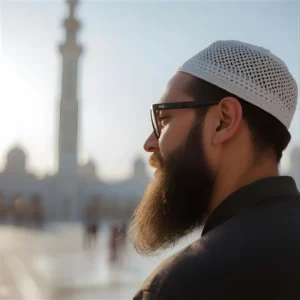
Men have their own modesty rules: lowering their gaze, covering from navel to knee, avoiding tight or flashy clothes, and behaving respectfully. Women’s hair is considered part of their beauty, which is why their covering is more detailed.
Some Muslim men do cover their hair with a turban or kufi for identity or religious practice. This answers why some Muslim men cover their hair but not in the same way women do.
Comparison: Life With and Without Hijab
| Aspect | With Hijab | Without Hijab |
|---|---|---|
| Privacy | Higher | Lower |
| Attention | Controlled | More noticeable |
| Identity | Clear Muslim identity | Neutral or mixed |
| Boundaries | Defined | Self-managed |
| Spiritual alignment | Strong | Varies |
FAQs
What happens if a man sees a woman without hijab?
He must lower his gaze. The responsibility is shared.
Can a woman stop hijab after menopause?
Hijab continues because modesty is lifelong.
Why do Muslim women wear hijabs so often and proudly?
Because it brings peace, identity, dignity, and a feeling of closeness to Allah.
Why can’t Muslim women show their hair to men?
Because hair is considered part of beauty and privacy.
Is it a major sin if a woman removes her hijab?
No, scholars don’t classify it as a major sin.
Conclusion
So, why do Muslim women wear hijabs? Because it gives them protection like a gentle shield, dignity like a soft crown, and peace like a calm evening breeze.
It is not only about covering the head—it is about remembering who we are inside. Hijab connects a woman to her faith, shapes her identity, and lets her walk in a world full of noise with quiet confidence.